

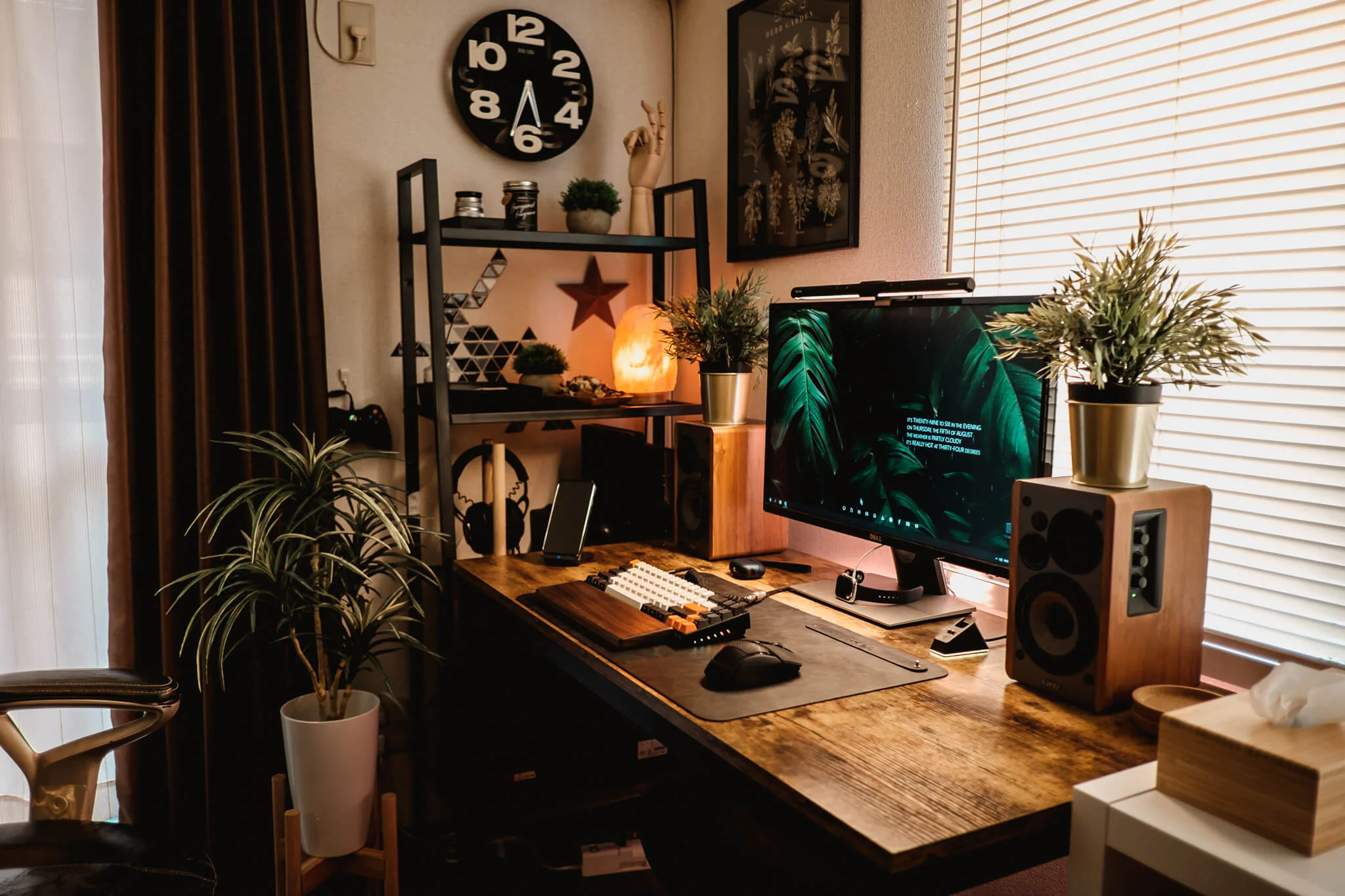
Setting up a home office that actually helps you get things done doesn’t have to cost a fortune or require fancy furniture catalogs. When money’s tight or you’re just starting out remote work, the smartest moves often come from raiding what you already have around the house—old boxes, spare shelves, books, even kitchen tools—and turning them into something useful. I’ve cobbled together workspaces like this more times than I can count, especially back when I was freelancing from a corner of the living room with a tight budget. The trick is focusing on clever hacks that solve real problems: clutter, bad posture, distractions, slow workflows—without spending much.
These nine setups are all about using everyday, simple items in unexpected ways. They’re quick to try, mostly reversible if you’re renting, and they punch way above their weight in making you more productive. No power tools needed for most, no big shopping lists. Just a bit of rearranging and thinking differently about stuff that’s probably sitting in a closet right now. Let’s walk through them one by one, with real steps, why they help, and little tweaks I’ve learned the hard way.
Setup 1: The Book-Stack Monitor Riser
One of the fastest wins is getting your screen to eye level so you stop hunching like a question mark after an hour. Forget buying a monitor stand—grab a stack of sturdy books you don’t mind keeping out. Textbooks, hardcovers, or even a few encyclopedias work best because they’re heavy and won’t tip.
Place your laptop or monitor on top of the stack so the top third of the screen is at eye level when sitting straight. If it’s a laptop, add a separate cheap keyboard and mouse (or borrow from an old setup) so you’re not typing at an angle. Underneath, you can store more books or files, turning the riser into mini storage too.
This setup changed my afternoons. Before, neck pain made me take breaks every 45 minutes. After, I could push through longer without discomfort. Productivity-wise, better posture means clearer thinking—less fatigue fog. Total cost: zero if you have books lying around. Pro tip: wrap the stack in pretty fabric or old wrapping paper if it looks messy. And make sure the base is wide enough—no wobbling disasters mid-Zoom.
If your books are too slippery, tape non-slip shelf liner underneath. I’ve seen people use two stacks with a wooden cutting board across the top for extra stability. Simple, effective, and instantly upgrades any desk.
Setup 2: The Cardboard Box Filing System
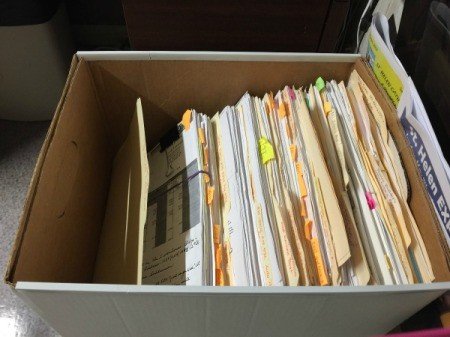
Paper clutter kills momentum faster than anything. Instead of fancy file cabinets, repurpose sturdy cardboard boxes—shoe boxes, delivery packages, or those from online orders. Cut them down to uniform height if needed, then label the fronts with masking tape and marker: “Invoices,” “Notes 2025,” “Client Stuff,” etc.
Stack them on a shelf or under the desk. For hanging files, punch holes in the sides and thread string or old shoelaces through to create makeshift dividers. Or just use the boxes open-top and drop folders in vertically.
I used this when I first went full remote. No more piles on the desk meant I could find receipts in seconds instead of minutes. That saved real time during tax season or client billing. Bonus: boxes are free, recyclable, and you can color-code with different markers or washi tape for quick scanning.
Drawback? They can look rough. Solution: paint them with leftover wall paint or cover with contact paper. Add small rocks or books on top to keep lids flat if you add any. It’s a low-effort way to create order from chaos.
Setup 3: The Pegboard Wall Organizer (Using Household Hooks)
Pegboard is cheap, but if you don’t want to buy any, improvise with an old cooling rack, wire grid shelf, or even a piece of lattice from the garden section. Screw or command-hook it to the wall above your desk.
Then hang simple items: kitchen hooks, clothespins, binder clips, old key rings for cables, small baskets from the dollar store or reused fruit containers. Hang headphones, chargers, scissors, notes, even a small whiteboard made from picture frame glass.
This keeps your desk surface clear, which research keeps showing reduces decision fatigue. Everything’s visible and grab-able—no digging through drawers. In my old setup, this meant I stopped losing pens mid-sentence. Hang a small mirror too for posture checks during calls.
If drilling isn’t an option, lean it against the wall with books behind for support. Customize with colors—paint clips bright so you spot tools faster. It’s clever because it turns vertical space into active storage without fancy organizers.
Setup 4: The DIY Standing Desk Converter (Boxes and Books Again)
Alternating sitting and standing keeps energy up and back happy. Build a quick converter: stack sturdy boxes or crates to elbow height when standing, place your monitor/books riser on top, and set keyboard/mouse on a lower box or pull-out tray.
For keyboard, use a lap desk or thick book as a platform. Step on an old yoga mat or folded towel for cushioning.
I started with this using Amazon delivery boxes reinforced with tape. Switched every 30-60 minutes—calls standing, deep writing sitting. Afternoon crashes disappeared. Cost: free or pennies for tape.
Make it sturdy: double-stack boxes, fill gaps with crumpled paper. Add non-slip mat on top. If wobbly, screw boxes together loosely. Simple items, big impact on daily stamina.
Setup 5: The Cable Taming with Zip Ties and Clips
Cables everywhere look messy and slow you down when unplugging. Gather old zip ties, bread clips, binder clips, or even twist ties from produce bags.
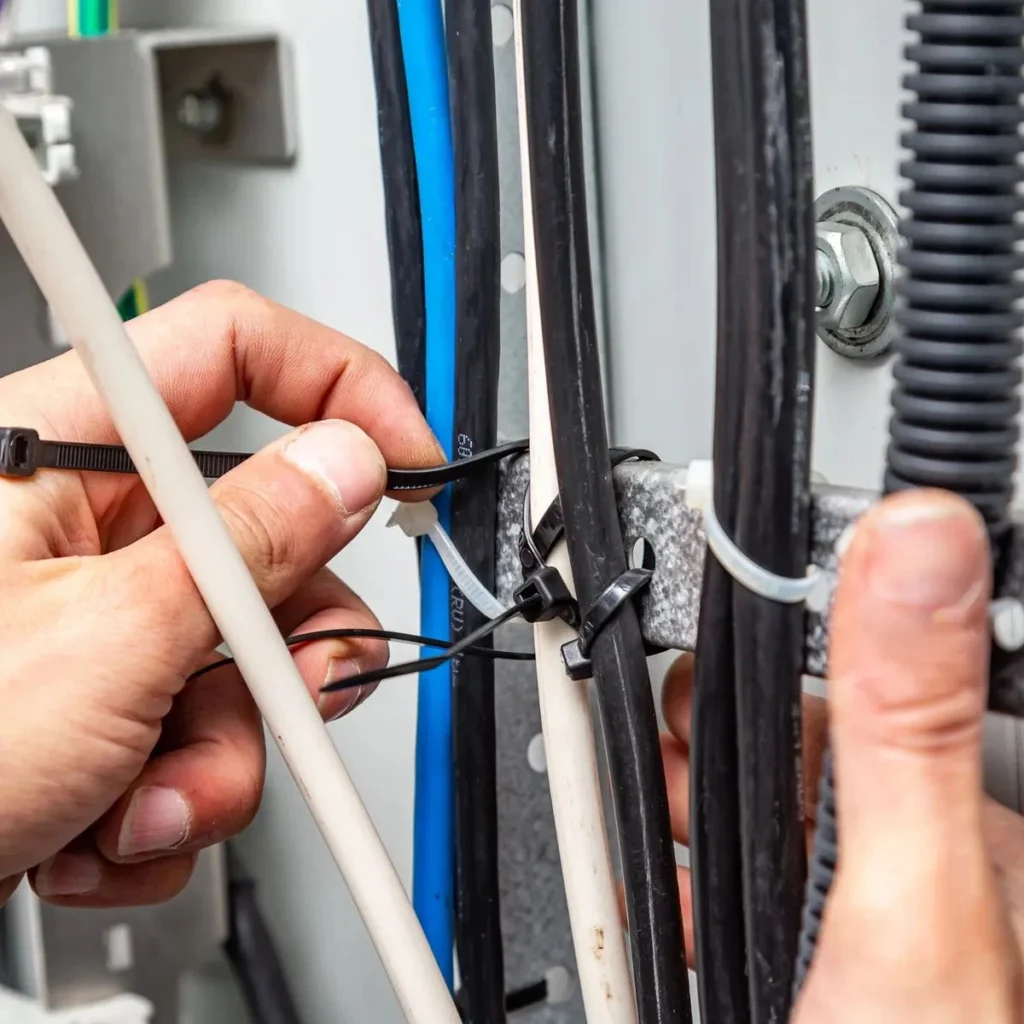
Bundle cables together, route them along desk edges with clips or tape loops. Use a paper towel roll or toilet paper tube (cut lengthwise) as a sleeve for multiple cords. Attach power strips under desk with velcro strips or command hooks.
My desk went from spaghetti to neat in 10 minutes. No more yanking the wrong cord. Productivity boost: less frustration means faster starts to tasks.
Label ends with tape. Use old phone cases or small boxes to hide surge protectors. Everyday items turn chaos into calm.
Setup 6: The Chair Cushion Ergonomic Upgrade
Bad chairs wreck focus. Add layers: stack firm pillows or couch cushions for height, then a rolled towel behind lower back for lumbar support. Or use a folded blanket as a seat wedge to tilt hips forward.
For footrest, stack books or a sturdy box. This mimics expensive ergonomic gear.
I used old throw pillows and a yoga block—suddenly eight-hour days felt doable. Better alignment means less fidgeting, more deep work.
Washable covers help. Experiment with firmness. Simple tweaks make cheap chairs work better.
Setup 7: The Window Light Diffuser with Sheets
Harsh light or glare kills eyes. Hang sheer curtains, old white bedsheets, or parchment paper over windows to soften natural light. Clip desk lamp (or phone flashlight) with clamp from kitchen tools.
Position desk near window but not facing it directly. Use mirrors to bounce light.
This reduced my eye strain hugely. Better light equals sustained concentration. Free or low-cost fabric scraps work.
Setup 8: The Multi-Use Side Table from Stool or Crate
Need extra surface? Flip a sturdy crate or ottoman as side table for printer, coffee, notes. Or use stacked suitcases.
Keeps main desk clear. I used an old wooden stool—added tray on top. Instant zone for breaks or secondary tasks.
Paint or cover for looks. Versatile and space-saving.
Setup 9: The Acoustic Privacy with Blankets and Rugs
Noise distractions? Hang thick blankets or quilts on walls/door with command hooks. Lay rug under chair to absorb sound.
Improves call quality, focus. I draped an old comforter—room felt quieter instantly.
Add plants or books for extra dampening. Budget way to create calm zone.